Discover Amed, Bali: A Guide to East Bali’s Coast

October 10, 2026

Share

Table of Contents

Amed is not one place but several. The name covers a chain of small fishing villages strung along about 14 kilometres of Bali's north-east coast, running east from Culik through Amed itself.

Behind it all rises Mount Agung, Bali's highest and most sacred volcano. It shapes the light here. This guide covers the essentials: getting here, when to come, and how to spend your days. For the beaches in more detail, see our guide to Amed Beach.

The Wonder of Amed

Travelling from the south, the road turns towards the sea at Culik, and curious travellers descend on Amed.

From here, the coast road runs east through Amed, Jemeluk, Bunutan, Lipah, Selang, Banyuning and Aas. It climbs over headlands and drops into bays where outrigger boats rest on dark volcanic sand. Each bay has its own character, and the drive between them is part of the pleasure.

  • Amed gives the area its name and is known for its salt-making along the shore.
  • Jemeluk is the liveliest bay, with cafés, dive shops and a coral garden close to the beach. The headland above is a favourite spot for the view back along the coast.
  • Bunutan and Lipah have a good spread of places to eat and stay, and a slower pace.
  • Selang, Banyuning and Aas at the eastern end are quieter still and feel more village than resort.

Ocean Facing Coastline

Because the coast faces north-east, mornings belong to the sea, with the sun climbing out of the water beyond the boats. In the evening it sinks behind the hills and, from some viewpoints, behind Agung itself.
 
Distances are short on the map, but the road winds, so a driver or scooter makes it easy to move between bays.
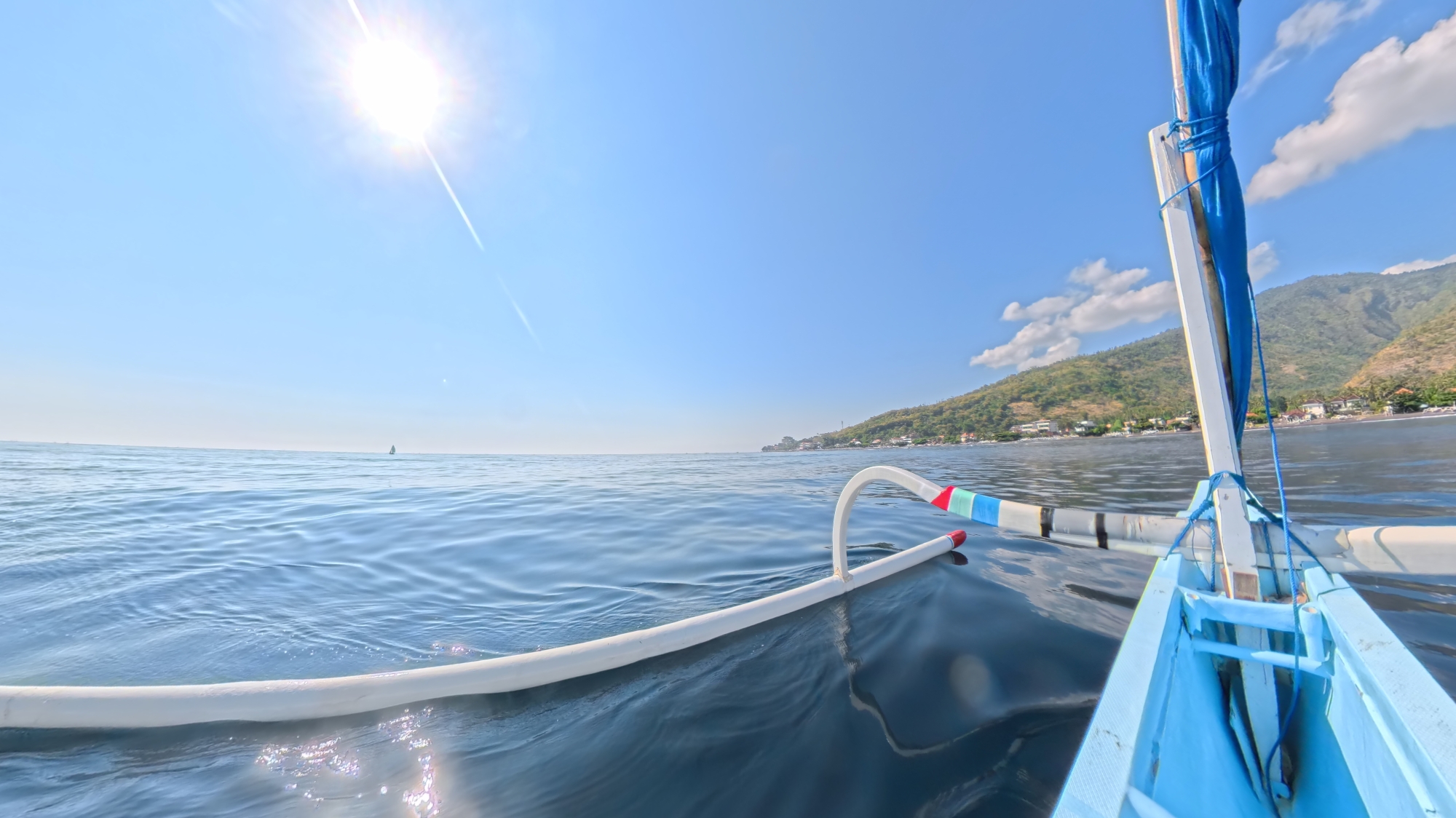
First light over the Bali Sea from a jukung outrigger boat off Amed, with a soft orange glow along the horizon.

Getting to Amed from the airport

Amed has no airport of its own. From Ngurah Rai International Airport in the south, it is roughly 100 kilometres by road, which usually takes two and a half to three and a half hours depending on traffic around Denpasar and which part of the coast you are heading to. The last stretch slows as the road winds through the hills and villages.
 
A pre-booked private transfer is the simplest way to arrive, especially after a long flight. If you are staying with us, our guest relations team can arrange a driver to meet you, and help with transport throughout your stay.

When to visit

Bali has a drier season, roughly from April to October, and a wetter season from November to March. The drier months tend to bring calmer seas and clearer water, though conditions on any given day depend on wind, swell and tides. The wet season brings short, heavy showers, greener hills and fewer visitors.
 
There is no wrong time to come, but if diving or snorkelling is the main reason for your trip, ask a local dive centre about recent conditions before you plan your days.

Under the water

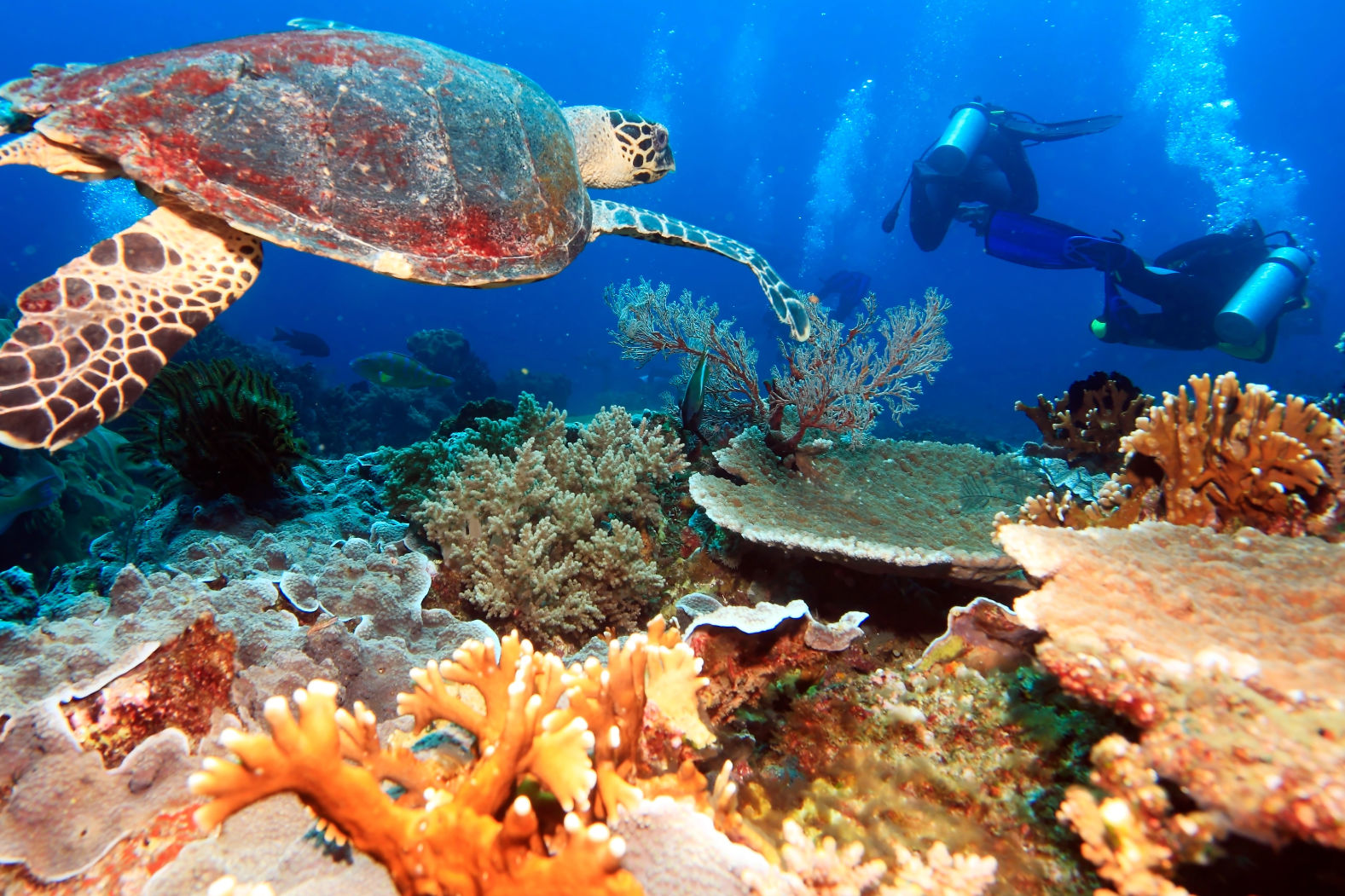
The sea is the reason many people first find Amed. The reefs start close to shore, and much of the snorkelling and diving here is done straight from the beach or from a short ride on a jukung, the traditional outrigger boat.

Diving Spots

  • Jemeluk Bay, with its coral garden and gentle slope, popular with snorkellers.
  • The Japanese Wreck off Banyuning, a small wreck in shallow water, good for snorkellers and divers alike.
  • The USAT Liberty at Tulamben, about 30 to 40 minutes' drive north. This Second World War cargo ship lies close to the shore and is one of the best-known dives in Bali.

Visibility and currents vary with the season and the day, so it is worth going out with a local guide who knows the water. Our guide to diving in Bali has more on the sites and on diving safely.

On land: salt, boats and slow mornings

Amed has made salt by hand for generations. Seawater is spread over the sand to dry in the sun, the salty sand is collected and rinsed, and the brine is left to evaporate in hollowed palm trunks.

The work is slower and smaller in scale than it once was, but you can still see it along the shore, and a bag of local salt makes a good thing to take home.

Jukung Fishing Boats

Mornings are the time to see the fishing fleet. The jukung go out before dawn and come back as the sun rises over the sea, their bright hulls lined up on the sand. Bring a coffee to the beach and watch it happen.

Trekking

For walkers, the hills behind the coast are threaded with paths and ridges, with views down to the bays and up towards Agung. Go early, before the heat builds, and take water.

Amed landcape with tropical hills and lush reice paddies looking towards the ocean

Food in Amed

Eating here is relaxed and unfussy. Small family-run warungs serve Balinese and Indonesian dishes, and fish is often the catch of the day from the boats you saw that morning.
Along the main bays you will also find cafés and restaurants with international menus, many with tables looking out over the water.
Amed's food scene has grown well beyond its fishing-village roots.
Cafés serve healthy bowls and good coffee for slow mornings. If you like a little heat, there's Indian and Mexican, and for a special evening, fine-dining kitchens blend Balinese flavours with techniques from further afield.
There are Italian restaurants too, with tables overlooking the sea, good wines and the relaxed flavours of the Mediterranean.

Eating In

If you'd rather stay in, our team can arrange breakfast and in-villa dining with a private chef. Enjoy a barbecue of fresh meat and seafood by your pool, or choose from traditional Balinese and international à la carte dishes, served at your villa.

Culture and daily life

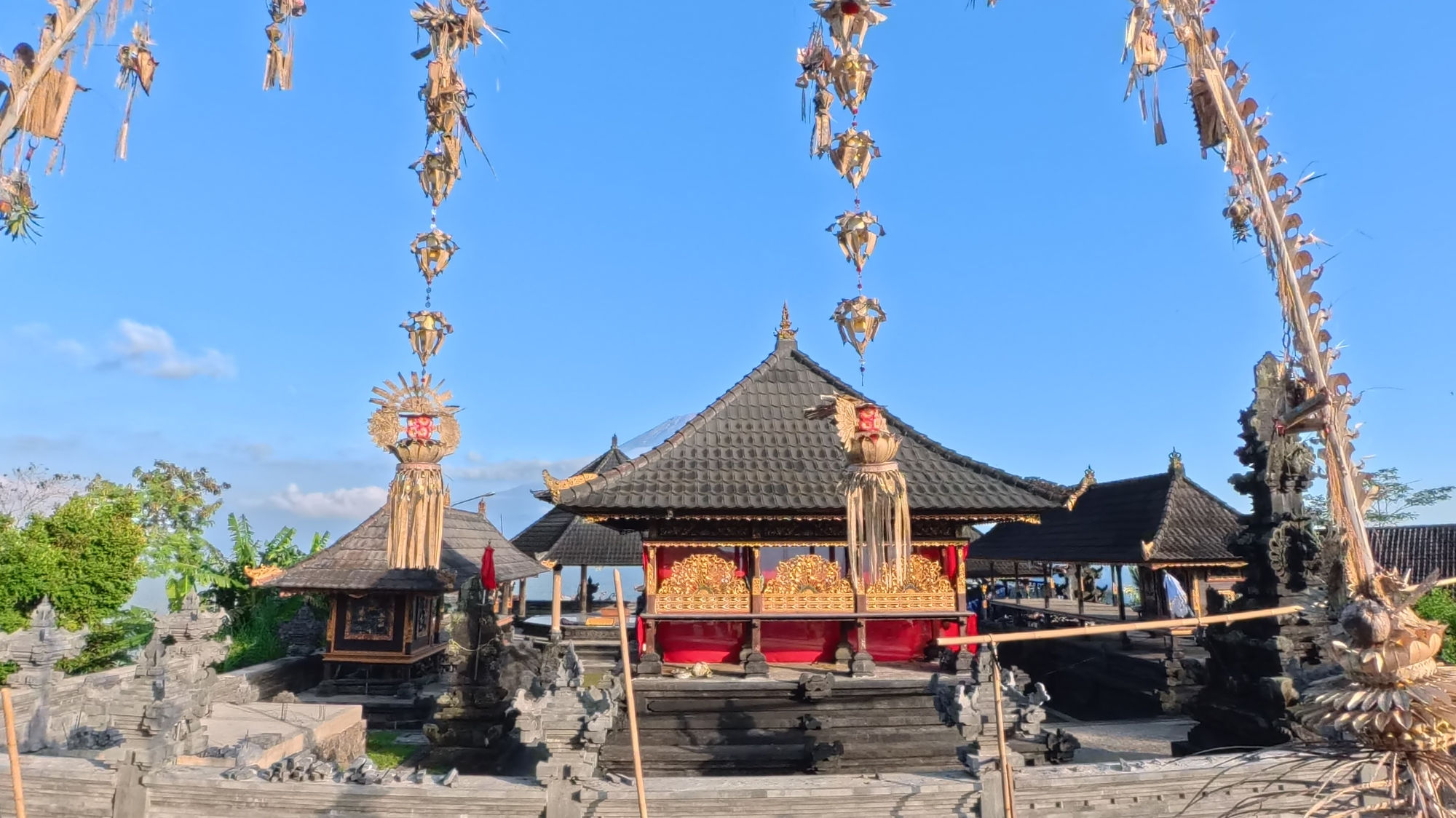
Life in Amed follows the Balinese calendar. Small offerings appear each morning on doorsteps, shrines and dashboards, and temple ceremonies bring processions, music and colour to the road. If you come across one, step aside, dress modestly and follow your guide's lead; visitors are usually welcome to watch quietly.
 
The pace is gentle and the welcome is warm. A few words of Bahasa Indonesia, such as terima kasih (thank you), go a long way.

Experience local culture

To go a little deeper, our guest relations team can arrange time with the traditions that shape life here, including a Balinese water blessing ceremony.

Take part with a local guide who can explain the meaning behind each ritual. See our Experiences page for what we can arrange during your stay.

Balinese water blessing ceremony near Amed, East Bali

Day trips from Amed

East Bali is rich in places worth a morning or a day. Tirta Gangga, a former royal water palace about 30 minutes inland, with stepping stones across koi ponds and formal gardens. Arrive early for the quietest hours.
Pura Lempuyang, a temple complex on the slopes of Mount Lempuyang, about 40 minutes away. Its gateway framing Agung is one of Bali's best-known views, so expect a queue later in the day.
Tulamben, for the Liberty wreck, whether you dive or snorkel over the shallow end. Our guest relations team can help with drivers, tours and timings. See Experiences for what we can arrange.

Staying in Amed

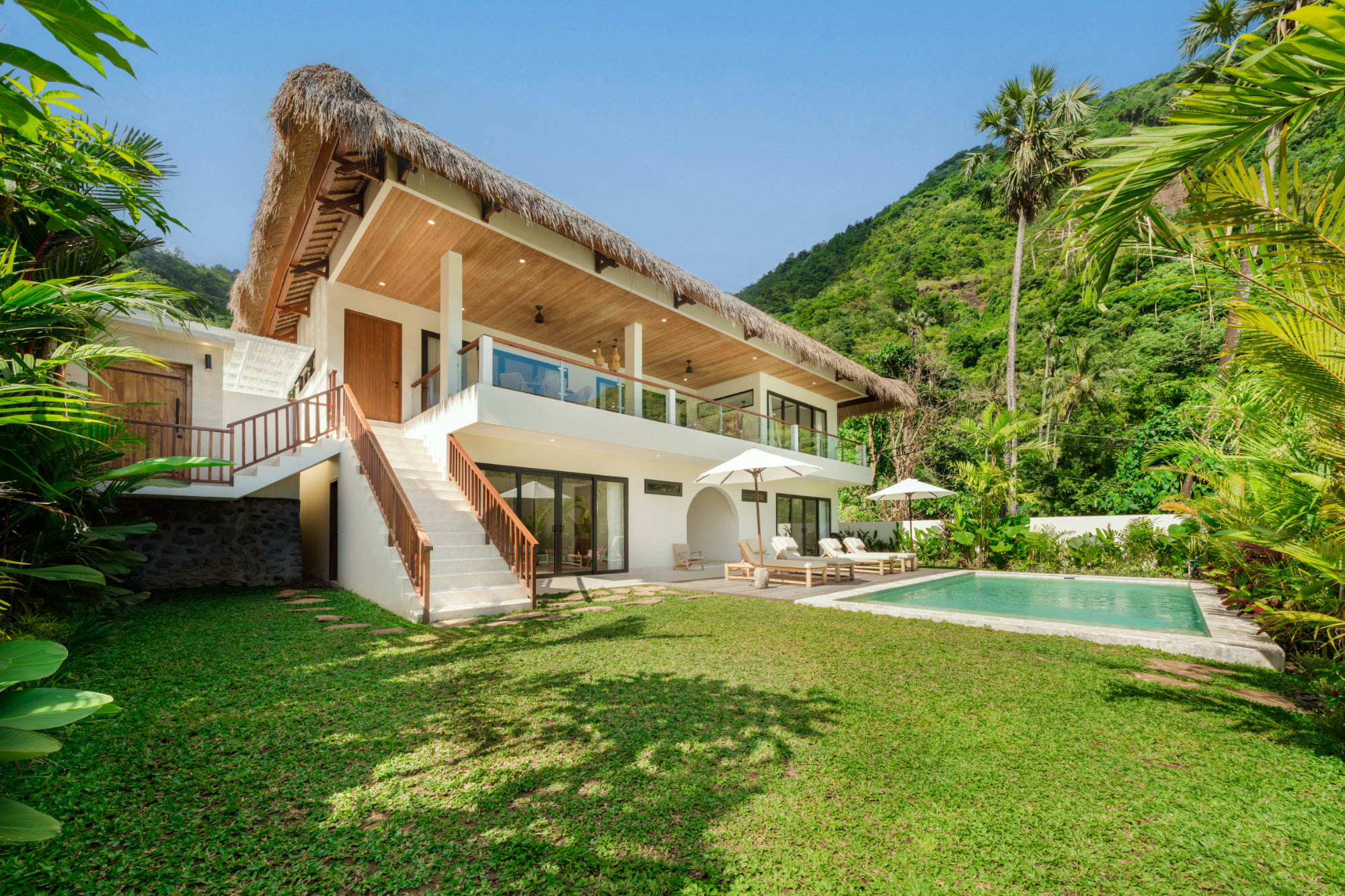
Vesica Villas Resort sits in a quiet valley above Amed, with views down to the Bali Sea. Our private pool villas have three or four bedrooms, and a free shuttle runs around the local area on a set timetable, so the bays, cafés and dive shops are easy to reach.
 
Come for the reefs, stay for the mornings. Amed rewards those who slow down.

Resort Villas in Amed

Discover Vesica Villas Resort for a quiet stay above Bali's east coast.

Three- and four-bedroom villas, with the comfort of a home of your own and attentive resort care.
Make an Enquiry

Name(Required)
Email(Required)